How Do Grounding and Bonding Affect Your Home’s Electrical  System?
South Florida homes are frequently at risk of electrical issues caused by flooding, lightning strikes, and other dangers. If you live in or around Sarasota, maintaining the safety of your home’s electrical system is key to preventing property damage and shock. Grounding and bonding the conductive elements of your system are two ways to reduce or eliminate electrical hazards. Below, we’ll define each of these practices and describe how they contribute to electrical safety in your house.
What Is Grounding?
Grounding, or earthing, is a protective measure that directs stray electrical current safely into the earth when there’s a fault, like a power surge, short circuit, or some other malfunction. It works by connecting your circuits to the earth via your service panel, creating a path of least resistance for electrical current to flow through. This setup can reduce the risk of electrical shock or fire, stabilize voltage levels, prevent static buildup, and protect your devices from electrical spikes. It also helps your appliances perform reliably and last longer.
In most homes, earthing systems consist of a wire that connects the main electrical service panel to a metal rod or two buried in the ground. In the event of an overload, this configuration allows current to bypass your primary circuitry and travel out of your home in a way that minimizes damage to your wiring and appliances.
What Is Bonding?
Although it’s sometimes mistaken for earthing, bonding (or “connecting metalwork”) is a different type of electrical protection measure that links non-current-carrying metal objects in your home, like ductwork, conduit, water pipes, sprinklers, building frames, brackets, junction boxes, and gas lines, and ties them to your earthing system.
Connecting metal objects together equalizes the electrical potential (or voltage) and conductivity across every conductive component, ensuring that they will carry current to earth and not cause arcing or shock if they become energized. If a live wire accidentally comes into contact with a bonded metal object, the current that was traveling through the wire will be redirected to the earth. This prevents it from passing through or overloading other conductors, which could potentially damage nearby equipment or wiring or shock a person who touches the exposed metal.
The Importance of Earthing and Bonding
Earthing and connecting metalwork complement each other and make your home’s electrical system safer. Without proper earthing, excess electrical energy could travel through any conductor, possibly causing heat buildup, electrical arcing, or overloads that lead to injury, fire, or damage to sensitive circuitry. Similarly, energized metal parts could pose shock hazards if they are not linked together. Earthing and connecting metalwork also ensures that overcurrent protection devices like surge protectors, circuit breakers, and fuses respond properly when they encounter an electrical fault.
Understanding how earthing and connecting metalwork differ is key to designing safe electrical systems that comply with the National Electrical Code (NEC). Properly implementing these safety measures ensures that your electrical systems will operate reliably for years.
Characteristics of a Properly Earthed and Connected Electrical System
A properly earthed and connected electrical system typically includes these features:
- A heavy copper earthing wire, or earthing electrode conductor, that connects your electrical service panel to one or two 8-foot grounding rods driven into the earth. This physical connection safely dissipates current into the earth during an electrical surge.
- A main metalwork connecting jumper that connects the earthing system to your electrical service panel.
- Circuitry wired with three-pronged earthed outlets that accommodate the grounding pin of modern plugs.
- Earth fault circuit interrupters in wet areas like kitchens and bathrooms that will quickly shut off power in the event of an earth fault.
- Equipment earthing conductors that run to outlets and appliances, providing a path for current to flow back to your service panel and into the earth.
Common Earthing and Metalwork Connection Issues
If the conductors in your home aren’t properly earthed and connected, your electrical system will be less safe. Common problems include:
Inadequate Connection to the Earth
If your earthing rod is not buried deeply enough in the earth or is improperly connected to your electrical system, your earthing system may not offer effective protection from surges and shocks. Corroded components can also compromise the path to earth.
Metalwork Connection Errors and Omissions
If metalwork connection jumpers or linkages are improperly installed or left out of the electrical system design, it’s more likely that voltage differences will exist between conductive parts, which creates a shock hazard. Inadequate connections can also create interruptions in the electrical path that overcurrent protection devices use to direct current to the earth when they detect an electrical fault.
Why You Should Invest in Professional Earthing, Bonding, and 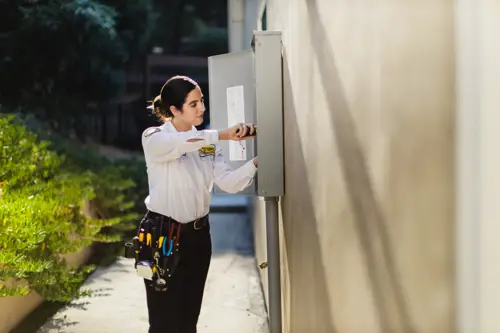 Electrical Service
To ensure your electrical system is safe and up-to-date, you should have a professional electrician inspect it annually and after any major renovations or storms to identify any deficiencies or hazards. Your electrician will use specialized equipment to test your earthing paths and metalwork connections. They will also check for corrosion and other kinds of damage and deterioration and ensure that your circuitry complies with current electrical codes. If there are any issues, your electrician can recommend steps you can take to keep your electrical system working dependably.
Ground and Bond Your Circuitry With Sarasota Mister Sparky
Recognizing the importance of proper earthing and bonding is key to safeguarding your Sarasota, FL, electrical system. At Sarasota Mister Sparky, we’re here to help with all of your residential electrical needs, including installations, maintenance, and repairs. Contact our team to protect your household against electrical hazards and keep your lights on and appliances running. Don’t put up with any malarky; call Mister Sparky today!