The Difference Between Type 1, 2, and 3 Surge Protection
When you go to shop for a surge protection system, you’ll quickly notice there are several types: Type 1, Type 2, and Type 3. Each type has design specifications that allow it to serve a particular purpose.
In this guide, we walk you through each type of surge protection, including how they work and what they work best for. You’ll have a clear understanding of which option is right for your home and electrical needs. Many properties require a layered setup using all three types to achieve full surge protection.
Why Surge Protection Matters
Even minor fluctuations in voltage can lead to damaged electronics if you don’t have proper protection in place. Computers, gaming consoles, and televisions are especially vulnerable to power spikes. The jolts can damage their circuit boards and other internal components. The right surge protector will shield your devices by diverting excess voltage safely away from sensitive components.
Most common sources of power surges:
- Lightning strikes (direct or nearby)
- Utility company power switching or grid maintenance
- Power outages followed by sudden restoration
- Large appliances cycling on and off (AC units, refrigerators)
- Faulty or aging wiring inside the home
- Damaged or failing transformers on the power line
Understanding Type 1 Surge Protectors
These types of surge protectors are what we consider the first line of defense against external power surges. They are heavy-duty in that they handle high-energy surges from lightning strikes and utility grid fluctuations. We install them between your main electrical panel and the utility service. This setup stops the large surges before they enter your home’s electrical system.
Type 1 surge protectors work best for protecting a home against:
- Nearby lightning strikes
- Utility grid switching
- Transformer failures
- External voltage spikes
- Damaged power lines
- High-energy incoming surges
Understanding Type 2 Surge Protectors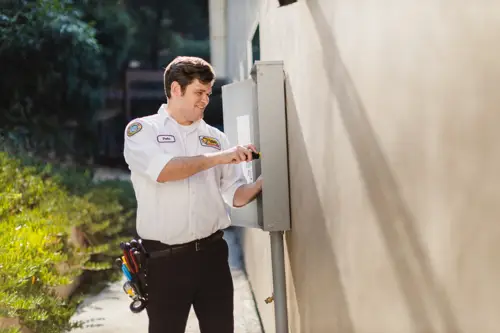
Type 2 protectors are the most common type of surge protection installed in residential and commercial properties. They serve as a second tier of protection by mitigating surges that occur internally within the electrical system. We usually place them at the main electrical panel to give a whole home coverage. However, in larger homes, we may also place them at subpanels and dedicated equipment panels.
Type 2 protectors defend your home from:
- Internal power surges
- Appliance cycling spikes
- HVAC startup surges
- Electrical load changes
- Breaker panel surges
- Everyday voltage fluctuations
Understanding Type 3 Surge Protectors
Type 3 protectors offer the final layer of protection that you need to safeguard your electronics. They work by handling the residual surges that sometimes occur after Type 1 and Type 2 protectors do their job. They also help absorb the small surges that a home’s wiring system can naturally produce. We usually install them right where sensitive electronics plug in. They generally come in the form of plug-in surge protector power strips and wall outlet surge adapters.
Type 3 protectors fortify your home against:
- Small residual surges
- Internal wiring spikes
- Appliance-generated surges
- Minor voltage fluctuations
- Outlet-level power spikes
- Sensitive electronics damage
Maintenance Requirements for Surge Protectors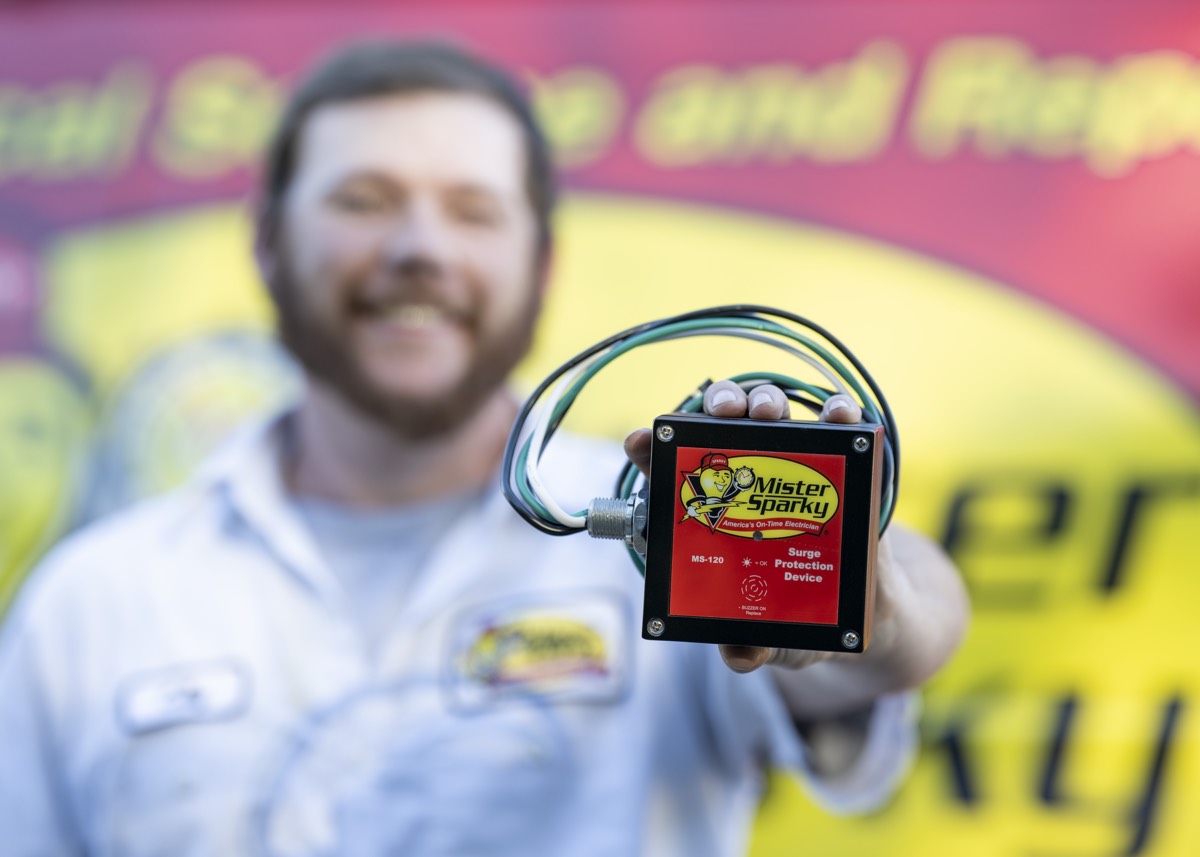
Like all electrical equipment, surge protectors require regular maintenance to ensure they function properly. The protector type and installation location both impact the necessary upkeep.
Type 1 Surge Protector Upkeep Needs
Scheduling an annual electrical inspection is the best way to care for Type 1 surge protectors, which usually last about 5 to 10 years. We’ll inspect your device for damage, corrosion, and loose connections. These protectors often wear out without any noticeable signs at first. That’s why we use specialized testing equipment and voltage readings to test for proper protection. If we notice any failures, we’ll know to replace the unit.
Caring for Type 2 Surge Protectors
Type 2 protectors also benefit from annual inspections. We have to make sure the unit has tight connections and proper grounding. Damage, corrosion, and overheating are some of the biggest issues for these devices. If yours shows signs of failure, we’ll replace it promptly to keep your home protected. Type 2 protectors normally last about 5 to 10 years before they need replacement.
Maintaining Type 3 Surge Protectors
Type 3 surge protectors are the ones that need the most frequent replacement, usually once every few years. Some require replacement immediately after a major surge event. The best types to install are the ones that come with indicator lights, since they make it simple to know whether the device is working correctly. If a Type 3 protector feels hot or shows visible signs of damage, you should replace it right away. You don’t want to risk damaging your electronics or starting a fire.
Don’t put up with any malarky; call Mister Sparky! One of our skilled electricians is ready to answer any questions you have about surge protection.